

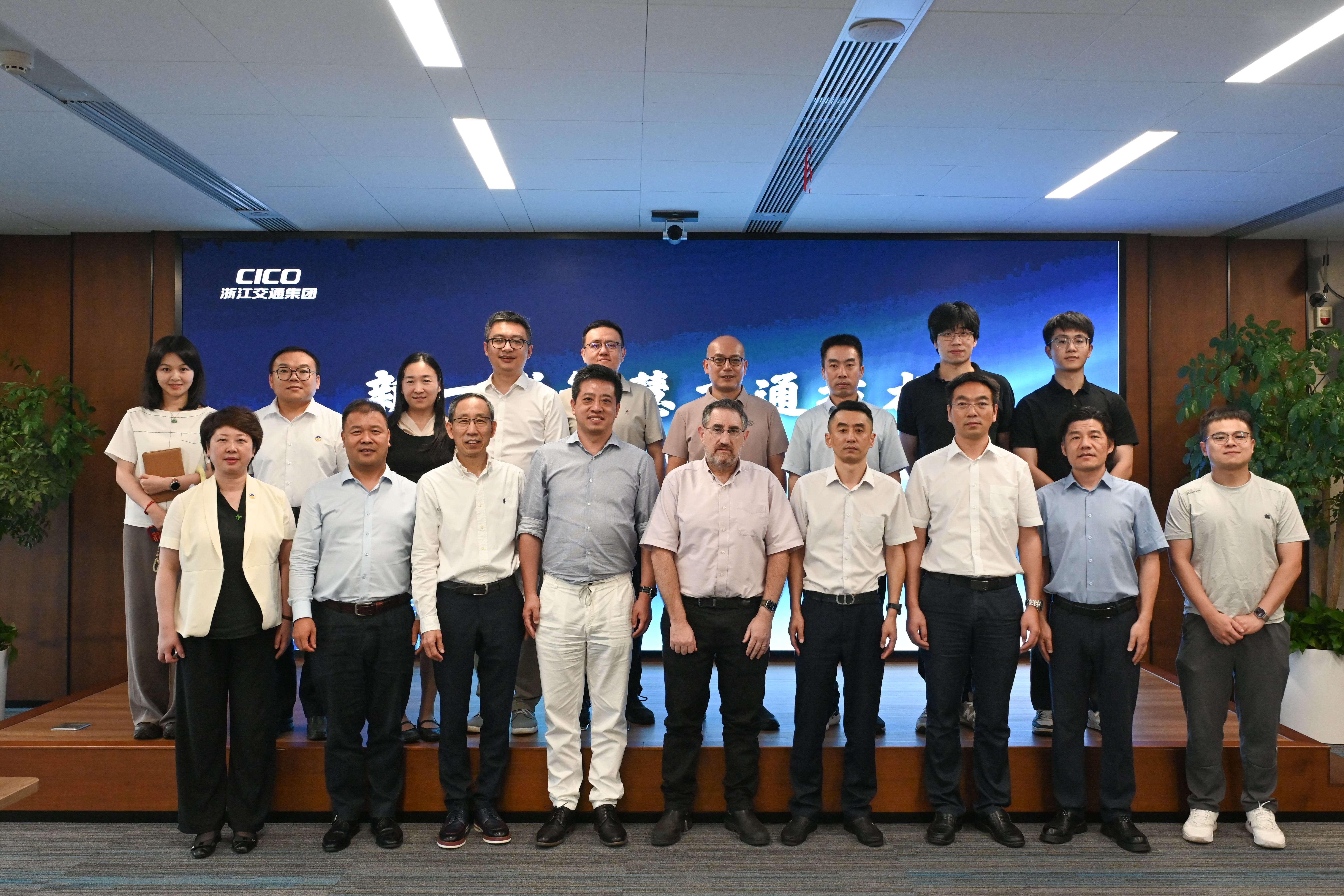
Most of you received the TransportLab: July 2026 post, so I gave you a pause. Also traveling to Beijing, Chengdu, and Hangzhou China last month.
Welcome to the latest issue of The Transportist, especially to our new readers. As always you can follow me on Mastodon, BlueSky, or RSS.
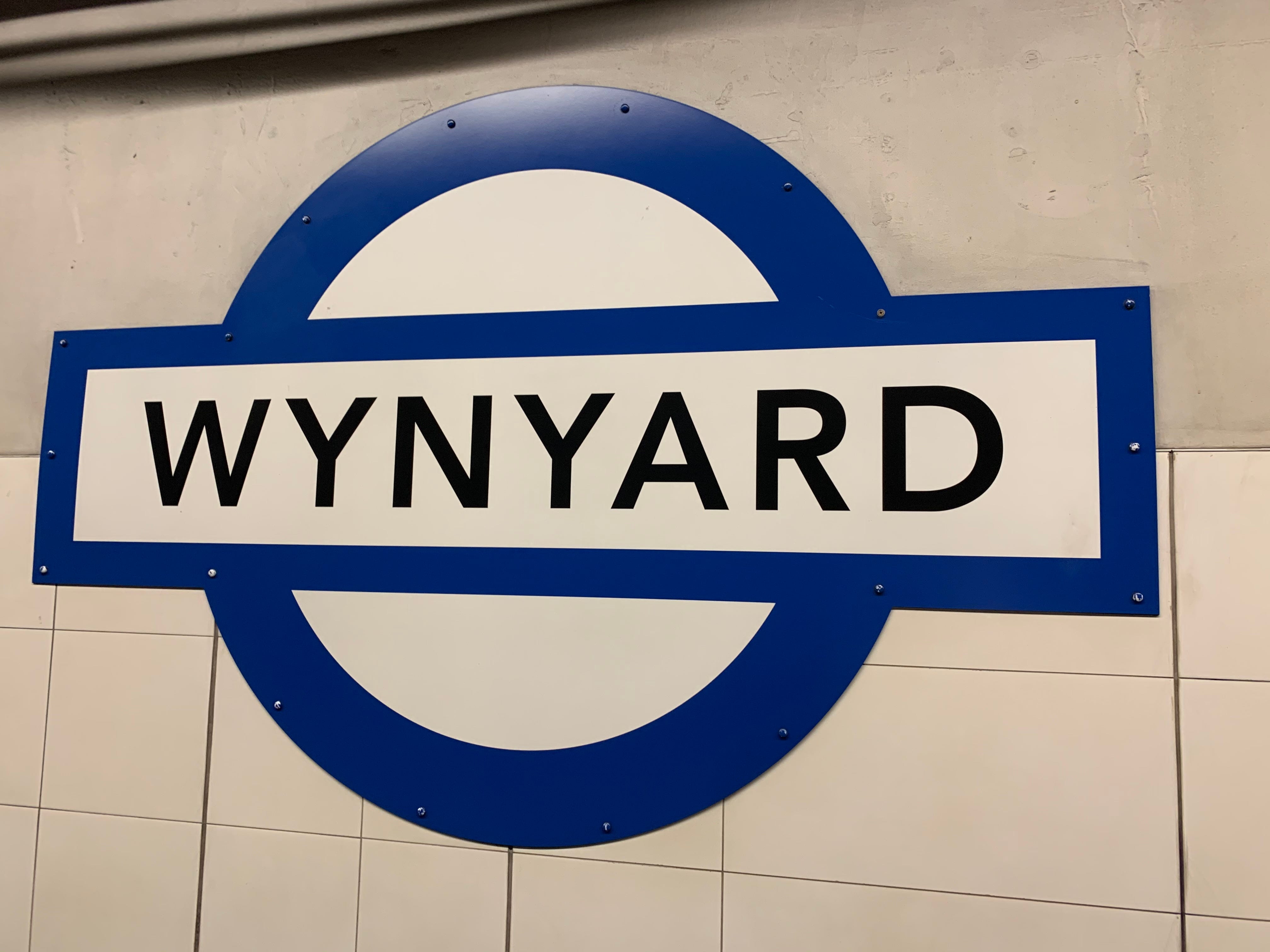
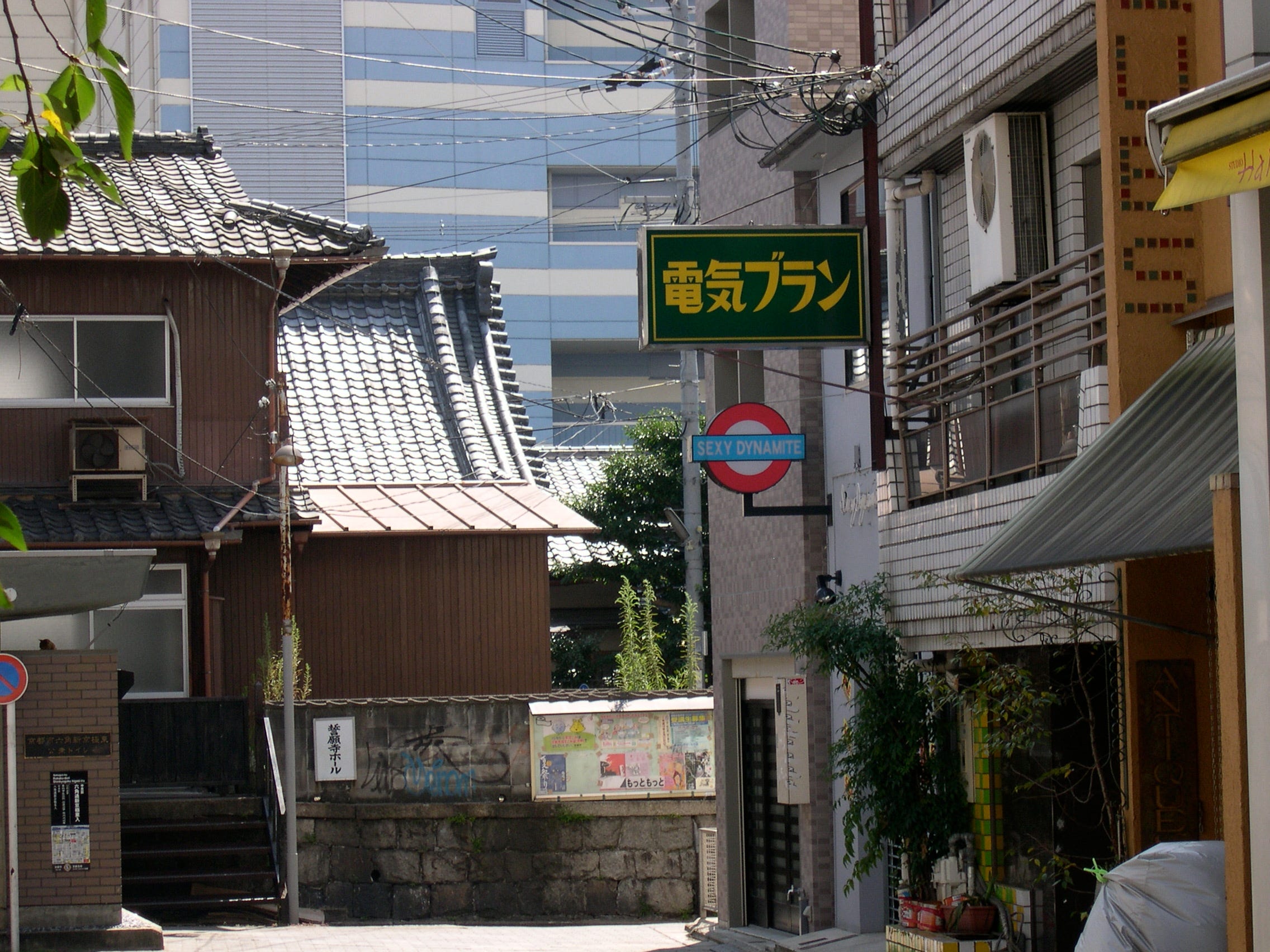
You might have noticed the site logo changed. Been meaning to for a while, but prompted when I received a nasty-gram from Transport for London, who worried, I suppose, you (well not you, but someone) might be confused that this here newsletter was a transit stop and not a newsletter, so they must protect their trademark, despite the roundel being a universal symbol, me being in Australia, and the newsletter being hosted in the US. Roundels are an old visual form. They appear in heraldry, flags, aviation, military insignia, civic marks, and commercial design. The form long predates London Transport, and is widely used outside London. Feel free to send in pictures of people abusing the roundel for non-authorised purposes, and I will share them over time to help out the lawyers at TfL (or inundate them with too many signs to chase down).
Pointers
Transit & Cities
The Transit Abundance Playbook — Institute for Progress
How Madrid Built the World’s Best Metro — YouTube
Automation
China Resumes Issuing Robotaxi Licenses After Months-Long Freeze — Bloomberg
We took a self-driving car on the road for 100 days to see how it handled itself – these are the mistakes it kept making — Zuduo Zheng, UQ News / The Conversation
San Francisco’s fireworks show ends in hours of gridlock involving Waymo cars — NBC Bay Area
Roads & Behaviour
Supercars, viral clout and the Sydney suburbs left sleepless — Sydney Morning Herald (hooning)
This Simple White Line Is America’s Greatest Unsung Innovation — Ben Cohen, WSJ
Former Italian motorway boss among 32 convicted over Genoa bridge tragedy - Reuters
Policy
Californians sour on Newsom’s push to ban gas-powered cars— George Skelton, Los Angeles Times (Newsom and EVs)
Digital travel declaration to replace paper incoming passenger card — The Guardian
Elsewhere
Supply Chains
Animal Transport
Central Park Horse Carriage Death ends industry
Your regular reminder that cars are weapons
Posts
AI and academic publishing

Some notes I drew up for a June 15 panel discussion of AI in Academic Publishing at a conference I attended at Southwest Jiaotong University in Chengdu.
Publications

Press
Charis Chang on SBS posted High-speed rail is a decades-old Australian dream. One factor could finally make it real 28 June 2026
The Quote
But professor David Levinson, civil engineer and transportation analyst at the University of Sydney, is sceptical about the project and says, if delivered, it would likely feature the longest high-speed tunnel in the world.
“As shown by Snowy II and the M6 Motorway in Arncliffe, things can go wrong with tunnelling, driving up costs,” he tells SBS News.
In engineering we talk about quality, speed, and cost — and generally you can only get two out of three.
“They are proposing to open this in ten years, and make mention of using new ‘green’ concrete technology, which obviously brings with it risks, as does any new technology.”
The Full set of questions I answered:
Despite many proposals for high-speed rail in Australia, none have got off the ground, why is this?
They have always been considered too expensive for the benefit provided. Even if they are worthwhile for society, finding the financing for them has always been difficult. One imagines some kind of public-private partnership, like some Australia states do with TransUrban, where there is a contract paying the provider revenue and an availability payment in exchange for the up front investment (usually from superannuation funds) over a fixed term. Whether this maximises benefits for Australia is unclear. And it is unclear why everyone in Australia should pay for a line in a single corridor serving Newcastle and Central Coast, while other corridors remain underserved.
Do you think the current proposal is any different from previous ones?
The released documents show a Benefit/Cost ratio under 1.0 under all but the most optimistic assumptions. This proposal has also made more optimistic assumptions about land use changes and “Wider Economic Benefits” about which Treasury officials are generally skeptical.
I refer you to page 9 of the IA Business Case Evaluation Report
Also see the Business Case (section 7.6)
It is different from previous proposals in that it serves even fewer people.
The Newcastle and Sydney section is considered the most challenging to deliver – why is this? What are the engineering challenges?
As proposed by the Commonwealth it includes an extensive amount of tunnelling, probably the longest high-speed rail tunnel in the world. As shown by Snowy II and the M6 Motorway in Arncliffe, things can go wrong with tunneling, driving up costs. In engineering we talk about Quality, Speed, and Cost, and generally you can only get two out of three, Prioritising Speed and Cost will lost Quality, prioritising Cost and Quality will lose Speed, etc. They are proposing to open this in 10 years, and make mention of using new “green” concrete technology, which obviously brings with it risks as does any new technology.
I’ve been told that keeping the travel time to 1 hour would be ideal so that Newcastle can be within reasonable commuting time to Sydney, is this feasible?
If they build it, 1 hour point-to-point (i.e. station-to-station) is feasible. Whether this is “a reasonable commuting time to Sydney” is an open question. Note it assumes the commuter lives on top of the station at Newcastle, and works on top of the station at Central. I can take 10 minutes just to get from a train to the exits at Central Station, so access and egress costs need to be considered. If someone is transferring trains or to buses at Central, that is also added time to the final destination. Most people in Sydney don’t actually work at Central station, which is the southern end of the CBD.
But all of this assumes cities will retain their same importance if the future that they have today, despite Work-from-Home, AI, and all of the technological changes we cannot foresee.
It also assumes a “Big Australia” that growth via migration will keep coming. I don’t believe the party currently polling number one agrees with that forecast. In the absence of migration, Australia would be losing population.
Do you think this project will actually happen?
“Rationality” is not the word most associated with government.
I also asked a local LLM (Ollama) which has access to my corpus. It answered as below:
High-speed rail projects in Australia face challenges due to fiscal risks from cost overruns and uncertain operating-cost recovery, which create unacceptable risks for states
The Newcastle and Sydney section is particularly challenging due to complex geography, existing infrastructure, and the need for high-speed corridors that balance speed with safety and environmental constraints
Keeping travel time to 1 hour between Newcastle and Sydney is feasible in theory, but it requires significant investment in infrastructure and operational efficiency to meet such a tight timeframe
The current proposal is not fundamentally different from previous ones, as it still faces similar fiscal, technical, and political hurdles that have historically stalled high-speed rail in Australia
The project’s success depends on overcoming these challenges, but without substantial funding and political will, it may not materialize as planned
Random Videos
Nice use of transport examples to explain hash tables, featuring the work of Andrew Krapivin. The video probably has an AI voice, but the explainer is good.